
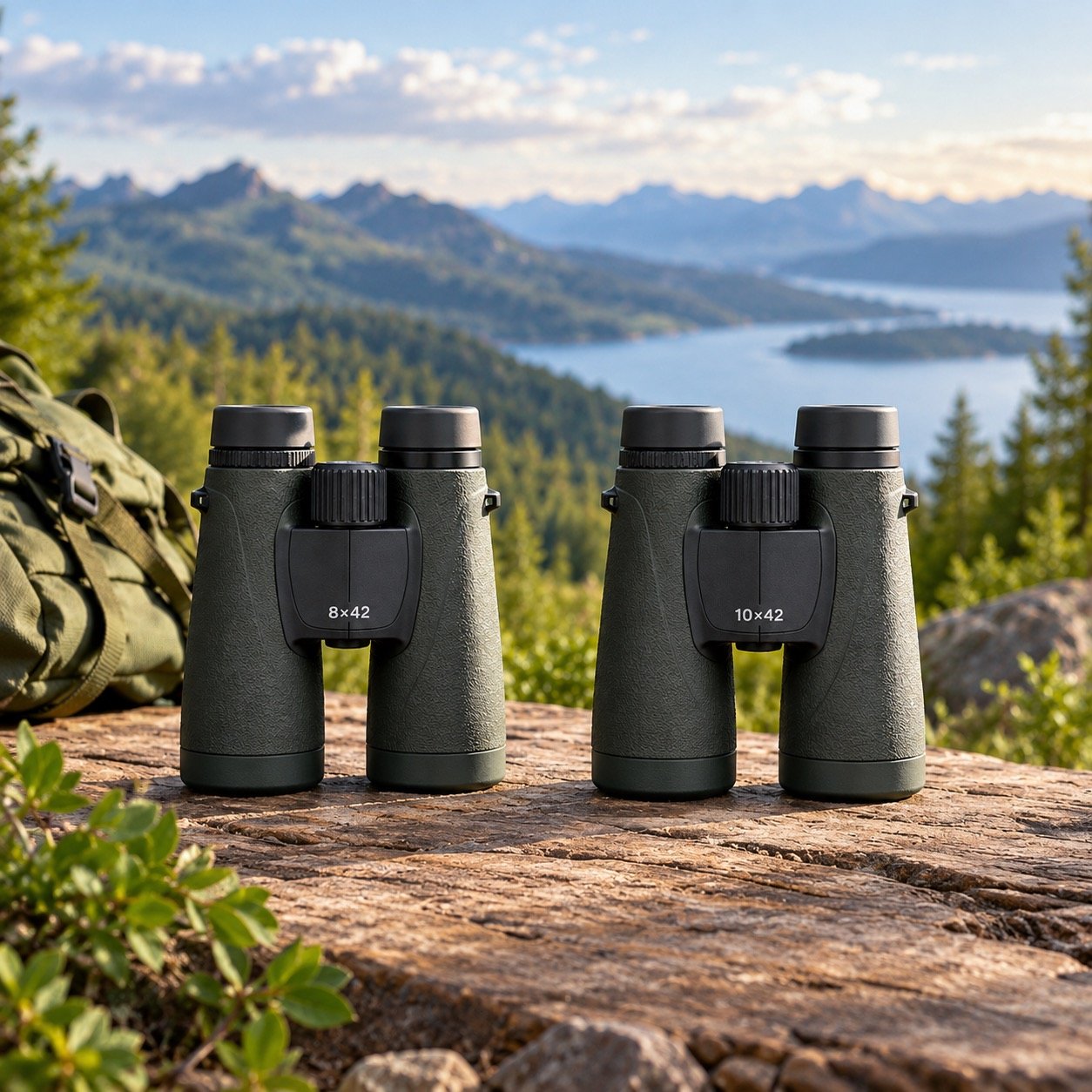
8×42 and 10×42 are the two most popular binocular formats in the world, used by birders, safari guides and hunters alike. They look almost identical on paper, but they behave quite differently in the field. Understanding the numbers will help you choose the right pair for the way you watch wildlife.
What the numbers mean
The first number is the magnification. An 8× binocular makes things appear eight times closer; a 10× makes them appear ten times closer. The second number is the diameter of each front lens in millimetres. Both formats use 42 mm lenses, so they gather the same amount of light.
Exit pupil: why 8×42 looks brighter
Divide the lens diameter by the magnification and you get the exit pupil, the small circle of light you can see in the eyepiece when you hold binoculars at arm’s length.
- 8×42: 42 ÷ 8 = 5.25 mm exit pupil
- 10×42: 42 ÷ 10 = 4.2 mm exit pupil
In bright daylight your pupils shrink to around 2–3 mm, so both formats look equally bright. At dawn and dusk, when your pupils open wider, the larger exit pupil of an 8×42 delivers a noticeably brighter, easier view.
Field of view: 8× shows you more
Higher magnification narrows what you can see. An 8× binocular typically shows a wider slice of the scene than a 10× of similar design. That makes it easier to find a bird in a tree, follow animals that are moving, and enjoy a sense of the landscape around your subject.
Stability: 8× is easier to hold steady
Magnification multiplies the small natural movements of your hands. At 10× the image shakes more, which can make it harder to study fine detail without bracing your elbows or resting the binoculars on something. At 8× the view stays calmer, especially after a walk, in wind or from a vehicle.
Detail: where 10× pulls ahead
When your subject is far away and still, such as a raptor on a distant tree or game on the far side of a plain, 10× reveals more detail. If you do a lot of long-distance scanning from a fixed position, a 10× can be the better tool.
Which should you choose?
| Choose 8×42 if you… | Choose 10×42 if you… |
|---|---|
| Watch birds in woodland or at close range | Mostly scan open country and distant subjects |
| Spend time on game drives in moving vehicles | Can usually brace or rest your binoculars |
| Watch at dawn and dusk | Mainly watch in good daylight |
| Want one all-round pair | Already own an 8× and want more reach |
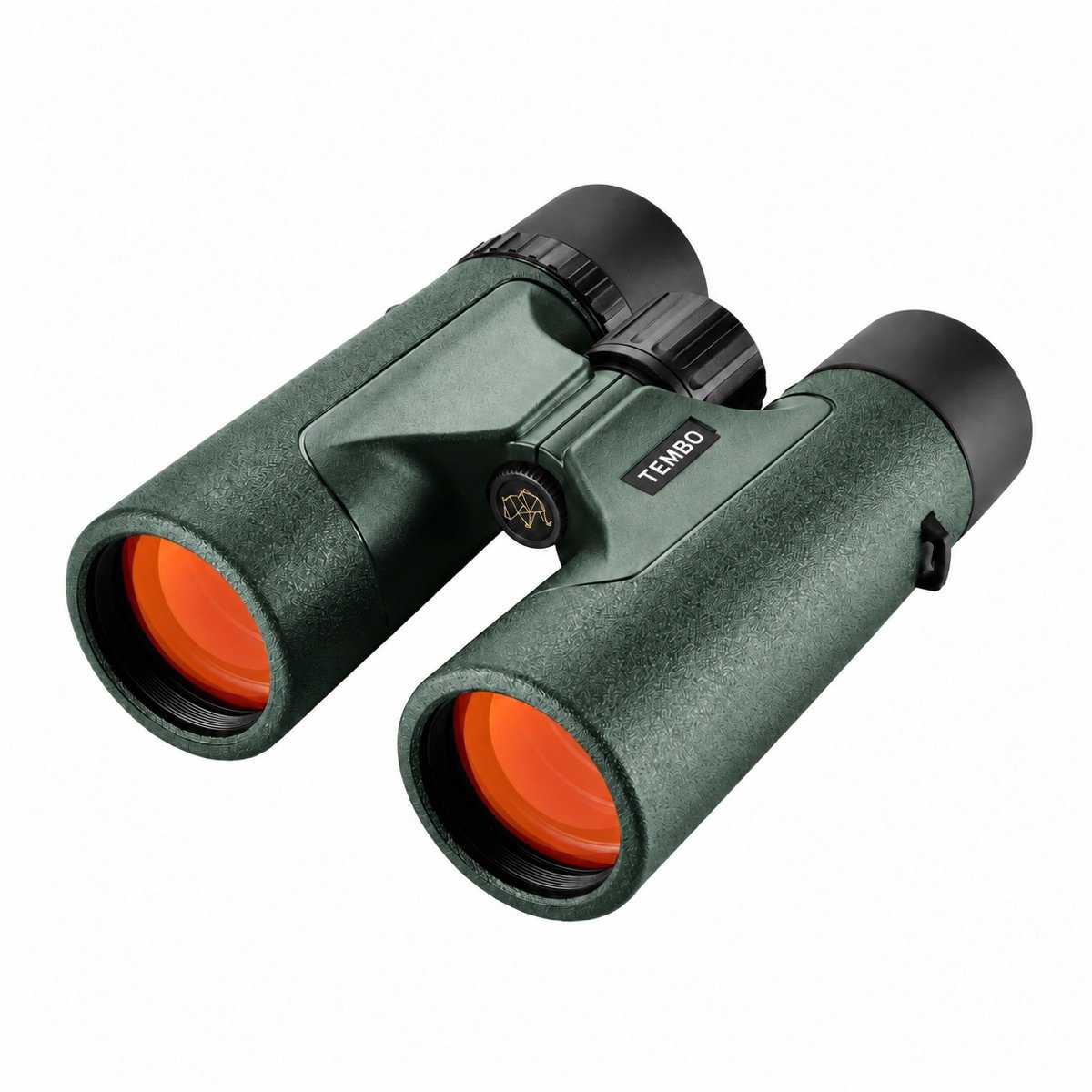
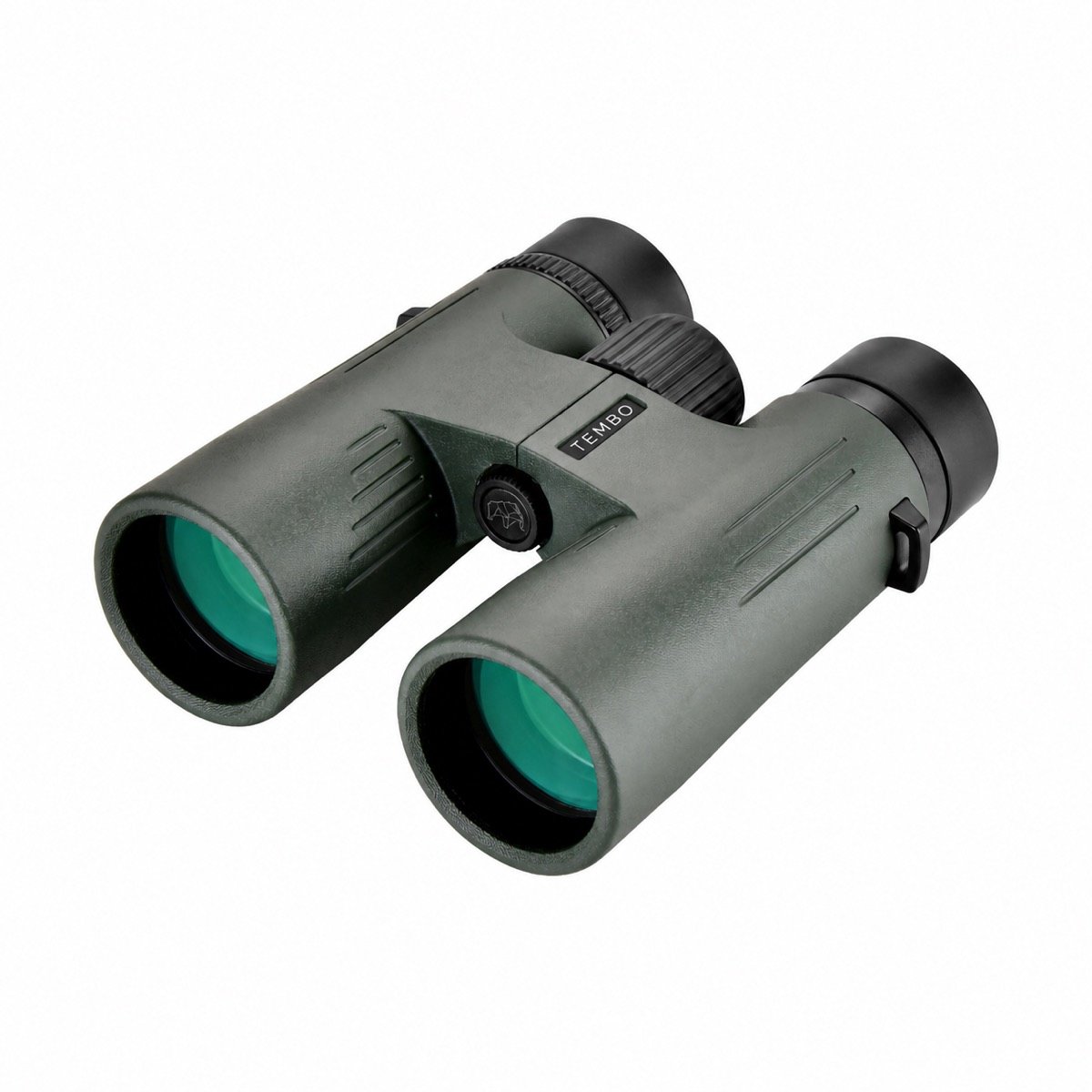
For most people, and especially for safaris, 8×42 is the most versatile choice. That is why the Tembo Explorer and Tembo Pro are both 8×42.